
Chainalysis Data Breach Exposes Customer Names, Emails and Roles – What It Means for Users
What happened?
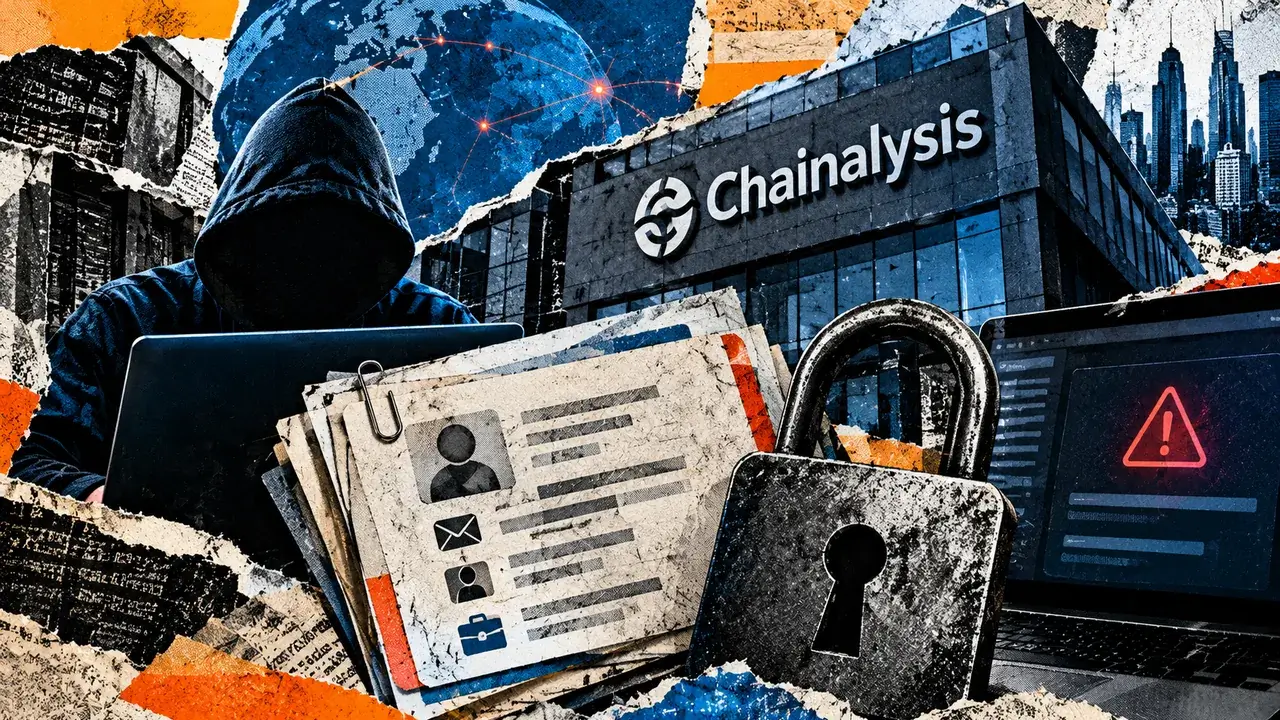
According to a report on CryptoSlate, Chainalysis – a leading blockchain analytics firm – suffered a security incident that resulted in the exposure of customer names, email addresses and the roles those individuals hold within their respective companies. The breach details have not been fully disclosed, and Chainalysis is still assessing the scope of the compromised records.
Company response
Chainalysis has publicly urged its customers to remain vigilant for any unexpected authentication prompts. The firm indicated that it is actively determining which specific records were accessed and is working to mitigate any further impact. No official statement about the cause of the breach, the timeline of the incident, or the number of affected accounts has been released.
Background on Chainalysis
Chainalysis provides blockchain data and investigative tools to financial institutions, law‑enforcement agencies, and cryptocurrency businesses. Its services typically involve collecting transaction data, linking wallet addresses to real‑world entities, and generating compliance reports. Because of the nature of its work, the company maintains detailed information about its clients, including contact details and organizational roles.
Potential implications for affected customers
Exposure of names, email addresses and job titles can increase the risk of targeted phishing attacks. Attackers may use the disclosed information to craft convincing messages that appear to come from trusted partners or internal colleagues, prompting recipients to reveal additional credentials or click malicious links. While the breach does not appear to involve financial assets directly, the personal data released can be leveraged for social engineering.
Risk mitigation steps for users
Given the limited information available, users should consider the following precautionary measures:
- Monitor email accounts for suspicious login attempts or unusual activity.
- Enable multi‑factor authentication (MFA) on all services where it is offered, especially those linked to cryptocurrency operations.
- Be skeptical of unsolicited authentication prompts, even if they appear to originate from Chainalysis or known contacts.
- Report any unexpected login requests to the relevant service provider promptly.
What remains unknown
The public summary does not specify when the breach occurred, how the attackers gained access, or whether any additional data (such as transaction histories or proprietary analytics) was compromised. Chainalysis has not disclosed whether law‑enforcement agencies have been notified or whether a forensic investigation is underway. Until the company releases a more detailed report, these questions remain unanswered.
Questions readers should consider
Stakeholders should ask themselves:
- Do I have a Chainalysis account, and if so, have I received any unusual authentication requests?
- Are my MFA settings up to date across all platforms that interact with blockchain services?
- What additional monitoring can I implement to detect potential phishing attempts that reference the disclosed data?
- Should I reach out to Chainalysis for clarification on the status of my specific account?
Conclusion
While the full extent of the Chainalysis breach is still being evaluated, the exposure of customer identifiers underscores the importance of robust security hygiene for anyone involved in the crypto ecosystem. Users should treat any unexpected authentication prompts with caution, reinforce account protections, and stay informed as more details emerge from Chainalysis' ongoing investigation.
Source: Chainalysis breach exposed customer names, emails and company roles


Comments
Post a Comment