
OneKey Founder Flags Potential North Korean Targeting of BlackRock Bitcoin ETF
Background
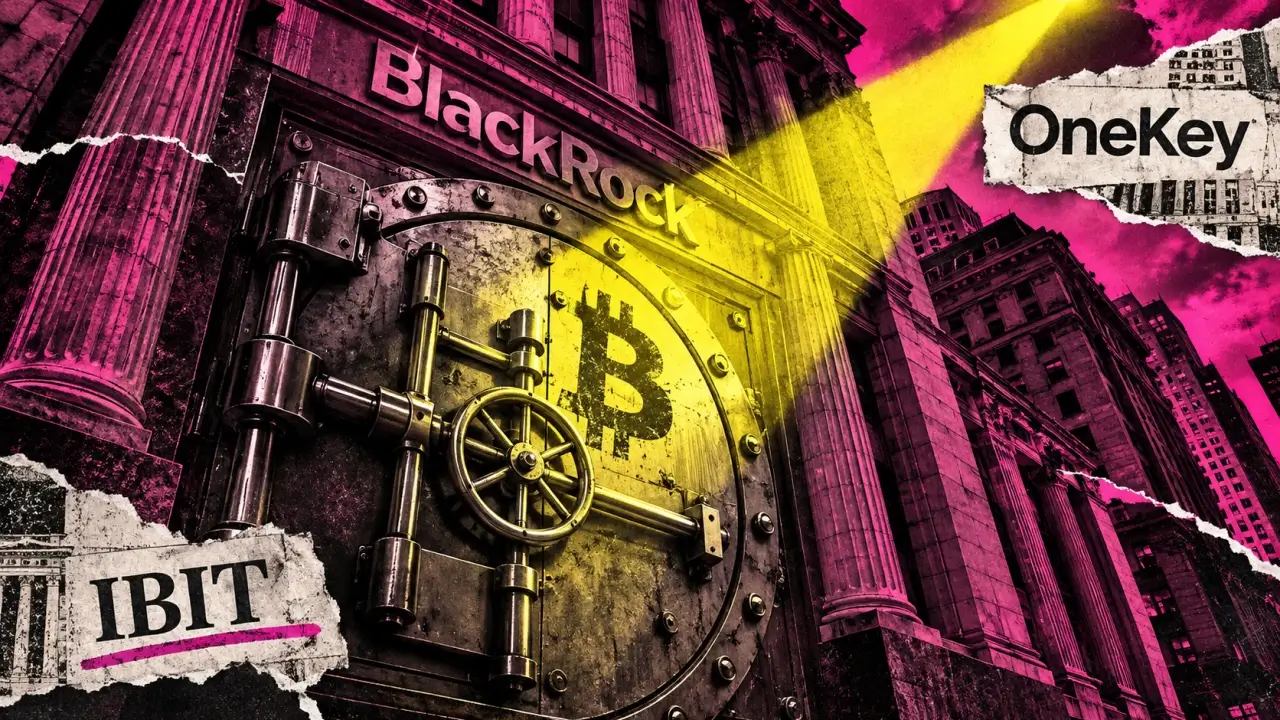
BlackRock, the world’s largest asset manager, recently launched a Bitcoin exchange‑traded fund (ETF) that has quickly amassed a reported $62 billion in assets under management. The product, known by its ticker IBIT, offers investors exposure to Bitcoin through a regulated vehicle, and it relies on custodial services provided by major crypto platforms such as Coinbase.
Recent Warning from OneKey
Yishi Wang, the founder of crypto‑wallet developer OneKey, cautioned that the IBIT fund could appear on the target list of North Korean cyber‑actors. In a public statement, Wang said he believes the fund is already being considered by the regime’s hacking groups, referencing the $6 billion loss suffered by Binance that U.S. authorities linked to North Korea’s so‑called TraderTraitor operation. While Wang’s comment does not cite any concrete evidence of an imminent attack, it raises a question about the security posture of high‑profile crypto assets.
Why the ETF Might Attract State‑Sponsored Hackers
State‑backed hacking groups typically seek high‑value, liquid targets that can fund illicit activities or undermine rival economies. An ETF holding tens of billions of dollars in Bitcoin fits that profile. Moreover, the ETF’s reliance on a third‑party custodian creates an additional attack surface: compromising the custodian’s infrastructure could provide indirect access to the underlying crypto holdings.
Security and Custody Considerations
Coinbase, which serves as the primary custodian for BlackRock’s Bitcoin ETF, has publicly emphasized its security protocols, including cold‑storage solutions and multi‑factor authentication. However, the recent Binance breach demonstrates that even well‑funded exchanges can be vulnerable to sophisticated, nation‑state actors. The warning from OneKey underscores the importance of continuous security audits, real‑time monitoring, and incident‑response planning for custodians handling large crypto positions.
What Remains Unknown
The source material does not provide any indication that BlackRock, Coinbase, or law‑enforcement agencies have observed active probing or attempts against the ETF. No official statements confirming a specific threat have been released, and there is no public evidence that North Korean groups have already accessed the fund’s assets. As a result, the level of risk remains speculative.
Implications for Investors and the Industry
If a high‑profile target such as the IBIT ETF were compromised, the fallout could extend beyond direct financial loss. It might erode confidence in custodial solutions, prompt tighter regulatory scrutiny, and influence how other asset managers approach crypto exposure. Conversely, a robust defensive response could reinforce the credibility of regulated crypto products.
Key Questions for Readers
- What specific security measures does the custodian employ to protect the ETF’s Bitcoin holdings?
- How do asset managers assess and mitigate the risk of state‑sponsored cyber attacks?
- Are there industry‑wide standards or best practices that could be adopted to reduce the attack surface?
- What contingency plans are in place should a breach occur, and how would investors be compensated?
While the warning from OneKey adds a layer of caution, investors should monitor official communications from BlackRock, Coinbase, and relevant regulators for any updates on security practices or emerging threats.
Source: OneKey founder warns BlackRock’s Bitcoin ETF could be a North Korean target


Comments
Post a Comment