
US Core Inflation Reaches 3.8% Ahead of December Fed Meeting, Clouding Crypto Outlook
Key Inflation Data
Recent data from the U.S. Bureau of Labor Statistics shows that core inflation for October climbed to 3.8% year‑over‑year, surpassing analysts’ expectations. The figure reflects price pressures in categories that exclude volatile food and energy costs, which are often used by policymakers to gauge underlying inflation trends.
Potential Federal Reserve Response
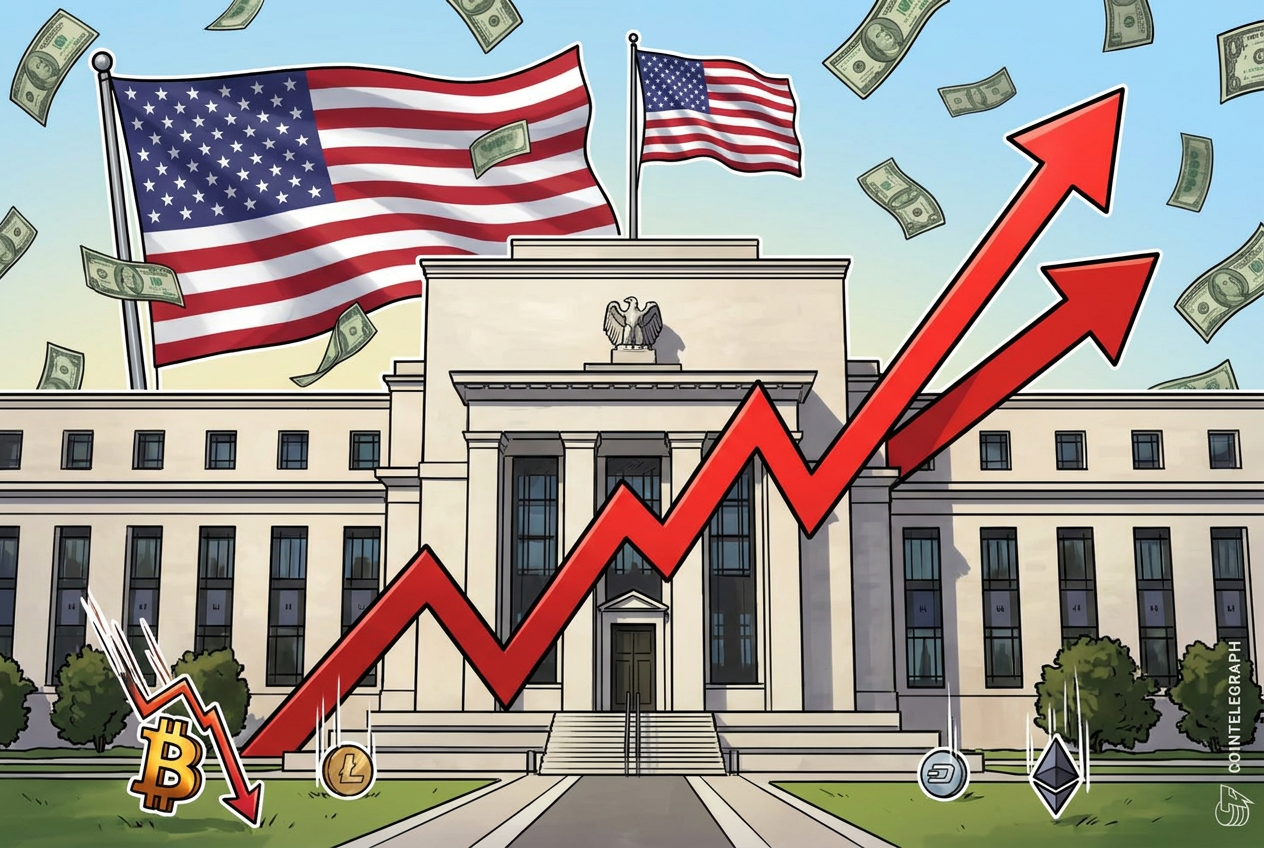
The higher‑than‑expected reading arrives as the Federal Reserve prepares for its scheduled policy meeting in December. Market participants have been pricing in the possibility of an additional interest‑rate increase at that gathering, based on the Fed’s stated goal of bringing inflation back to its 2% target. While the exact magnitude of any rate move remains speculative, the data adds weight to the view that the central bank may feel compelled to act more aggressively.
Implications for Cryptocurrency Markets
Cryptocurrency assets have shown sensitivity to macro‑economic signals, particularly changes in monetary policy. A prospective rate hike could increase borrowing costs and strengthen the U.S. dollar, factors that historically have pressured risk‑on assets, including many digital tokens. Analysts note that the crypto market has been in a tentative recovery phase following a broader downturn earlier in the year, and the prospect of tighter financial conditions may dampen that momentum.
What Remains Unclear
Several variables are still uncertain. First, the Federal Reserve has not confirmed whether it will raise rates in December or how large any increase might be. Second, the degree to which a rate hike would translate into reduced liquidity for crypto investors is not quantifiable at this stage. Third, the broader economic backdrop—including employment trends, consumer spending, and global supply‑chain dynamics—continues to evolve and could influence both inflation and monetary policy outcomes.
Considerations for Crypto Participants
Given the current environment, readers should weigh a few practical questions: How might higher rates affect the cost of financing for crypto projects that rely on borrowing? Could a stronger dollar shift investor preference toward traditional safe‑haven assets, thereby reducing demand for speculative tokens? What risk‑management strategies can be employed to navigate potential volatility stemming from macro‑policy shifts?
Broader Context
Historically, periods of rising inflation and tightening monetary policy have coincided with heightened market volatility across asset classes. While crypto markets have developed distinct dynamics, they remain intertwined with broader financial conditions. Observers advise monitoring upcoming Fed communications, subsequent inflation releases, and any shifts in market sentiment as the December meeting approaches.
In summary, the latest core inflation figure of 3.8% adds a layer of uncertainty to the crypto landscape. Investors and observers should stay informed about policy developments, recognize the limits of current data, and consider how macroeconomic trends could shape the trajectory of digital assets in the months ahead.
Source: US inflation rises to 3.8% ahead of December Fed meeting, clouding crypto outlook


Comments
Post a Comment